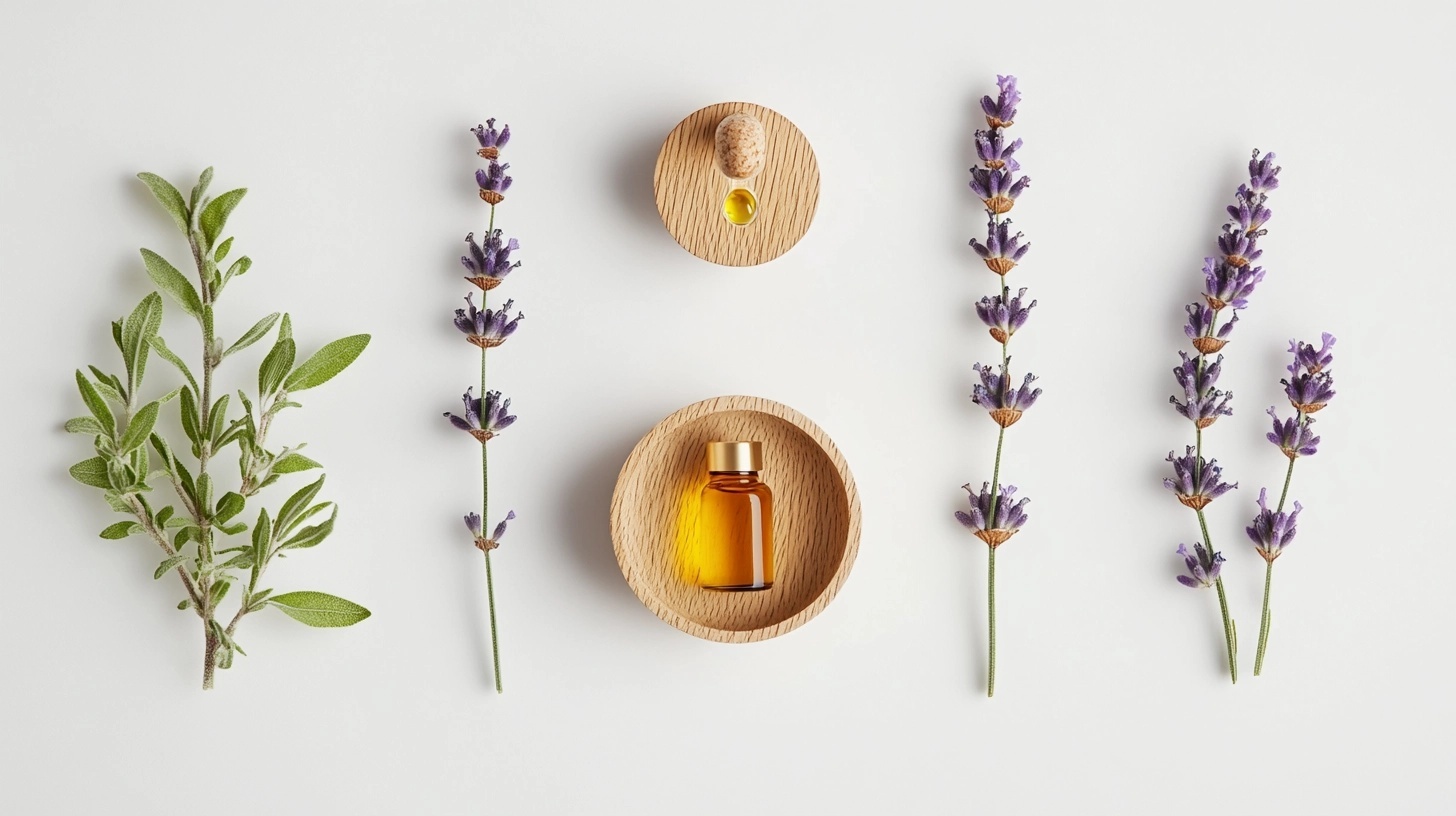
In today's hectic world, a diffuser can create a personal space of tranquility. This guide will help you understand botanical scents and explore unique aromas to bring a touch of nature into your daily life.
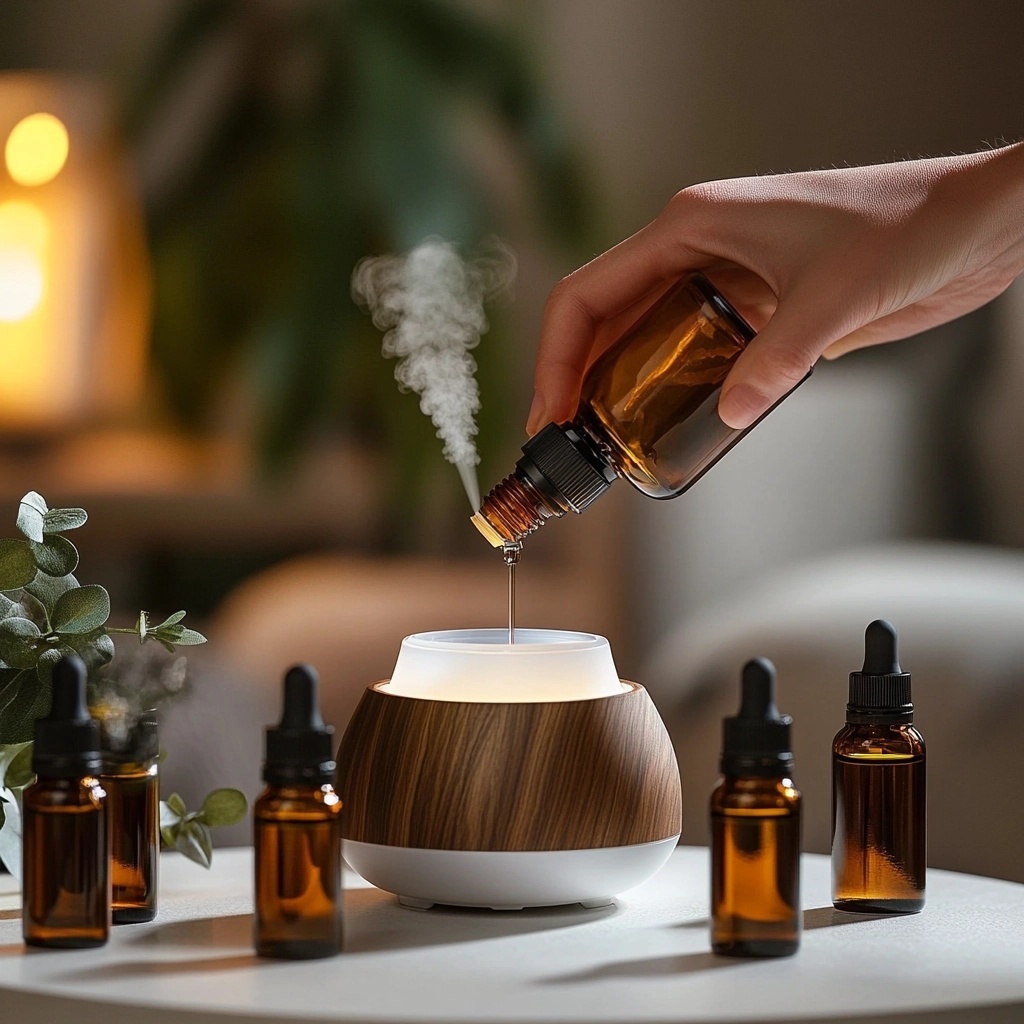
Plant-based fragrances hold a unique charm. This guide will introduce you to the various uses of botanical scents, common aroma types, and simple ways to incorporate natural fragrances into your everyday routine.
In our fast-paced modern lives, plant-based scents offer a natural way to unwind. Whether through a calming lavender diffuser or an invigorating citrus spray, plant essences have long been used to create a peaceful atmosphere and uplift the mood. Let's explore how these nature-derived aromas can add beauty to daily life.
1. Fragrance and Perception
How scent molecules interact with the emotional regions of our brain
Distinguishing between synthetic fragrances and pure botanical scents
2. Five Common Botanical Scents
Lavender — Often used to create a serene ambiance
Peppermint — Provides a fresh and uplifting aroma
Tea Tree — Brings a natural, herbal fragrance
Lemon — Offers a bright and cheerful scent
Eucalyptus — Evokes the fresh, woody aroma of a forest
Tip: Look for pure botanical fragrance products accompanied by ingredient descriptions.
3. Everyday Uses of Fragrances
Diffuser Blend: Try the "Moment of Calm" recipe — 3 drops lavender + 2 drops bergamot
DIY Fabric Spray: 10 drops of fragrance + about 60 ml of water, mixed in a glass bottle
Usage Note: Always dilute appropriately with a carrier oil before applying to the skin
4. Fragrance Choices for Different Scenes
🛌 For a Soothing Environment: Cedarwood + Roman Chamomile
🧠 For Moments of Focus: Rosemary + Sweet Orange
🌸 For a Refreshing Atmosphere: Frankincense + Lemon